
Bud
搜索"Bud" ,找到 1976部影视作品

导演:
/
威廉·科特雷尔,戴维·汉德,威尔弗雷德·杰克逊,拉里·莫里,佩斯·皮尔斯,宾·沙普斯坦
主演:
剧情:
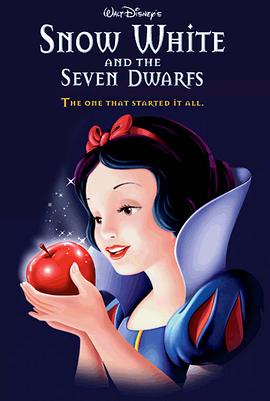
白雪公主原本是世界上最幸福的人,可惜当她母后逝去,父王娶了她继母后,这一切都改变了。恶毒的继母处处为难白雪公主,当她父王也死后,白雪公主过得更艰难了。这天,皇后从魔镜中得知世上最美的人不是自己而是白雪公主后,气急败坏的她下令武士将她带到森林处决了,好心的武士放走了白雪公主。夜晚,森林里的七个小矮人收留了无家可归的白雪公主。当皇后得知白雪公主还没死时,气急败坏的她决定亲自出马将白雪公主害死。第二天,她化妆成了一个老婆婆,带着毒苹果往森林深处走去。


导演:
/
Colin Krawchuk
主演:
剧情:
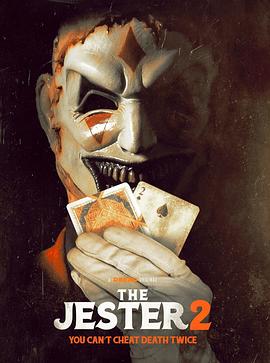
On a chilling Halloween night, a supernatural trickster known as The Jester encounters Max, a fearless 15-year-old girl. Together, they form an uneasy alliance to confront a powerful magician whose dark abilities push Max’s courage and cleverness to the limit in a thrilling showdown.

导演:
/
尼尔森·申
剧情:
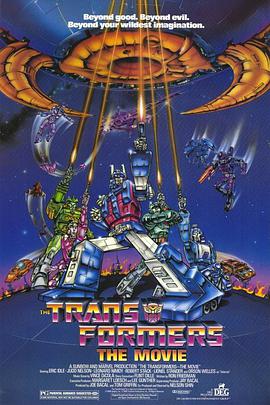
2005年,经过多年的正邪之争,汽车人终于将霸天虎赶出地球。然而威震天却率领部众入侵了汽车人的总部塞伯坦行星,擎天柱留下通天晓等战士驻守地球,自己则带人马于塞伯坦旁边的两颗卫星建立秘密基地,计划对霸天虎施以致命一击。但是计划被霸天虎侦得,威震天率先对行星和地球的汽车人发起攻击。战斗中擎天柱不幸牺牲,威震天也伤势严重。 弥留之际,擎天柱将领导模块传给通天晓。而邪恶的宇宙大帝为了摧毁阻碍自己的领导模块,拯救了被红蜘蛛背叛和抛弃的威震天,将其改造为更为强大的惊破天。汽车人和霸天虎新一代领导人相继浮出水面,正邪大战不断升级……
导演:
/
Denny Lu / Mike Myhre
剧情:
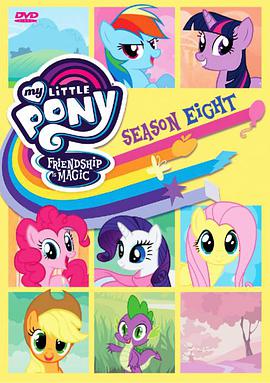
故事叙述一只叫暮光闪闪(TwilightSparkle meiju5.net)的小马为了执行导师塞拉斯提娅公主(PrincessCelestia)给她的任务,与助手斯穗龙(Spike)一起来到小马镇学习有关友谊的魔法的知识,其中她认识了苹果杰克(Applejack)、瑞瑞(Rarity)、小蝶(Fluttershy)、云宝黛西(RainbowDash)与碧琪(PinkiePie)五位好朋友,每只小马都代表着友谊的每个元素,并在和谐水晶(E... 故事叙述一只叫暮光闪闪(TwilightSparkle)的小马为了执行导师塞拉斯提娅公主(PrincessCelestia)给她的任务,与助手斯穗龙(Spike)一起来到小马镇学习有关友谊的魔法的知识,其中她认识了苹果杰克(Applejack)、瑞瑞(Rarity)、小蝶(Fluttershy)、云宝黛西(RainbowDash)与碧琪(PinkiePie)五位好朋友,每只小马都代表着友谊的每个元素,并在和谐水晶(ElementsofHarmony)中,各扮演重要的关键元素。此后,暮光闪闪(TwilightSparkle)便与她认识的新朋友们开始了有趣的日常生活,在第四季时暮光闪闪(TwilightSparkle)和她的五个朋友在第四集以及之后开始写日记。
导演:
/
戴维·汉德
主演:
剧情:
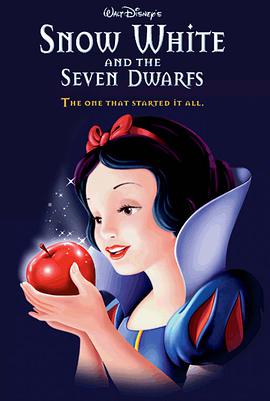
白雪公主原本是世界上最幸福的人,可惜当她母后逝去,父王娶了她继母后,这一切都改变了。恶毒的继母处处为难白雪公主,当她父王也死后,白雪公主过得更艰难了。这天,皇后从魔镜中得知世上最美的人不是自己而是白雪公主后,气急败坏的她下令武士将她带到森林处决了,好心的武士放走了白雪公主。夜晚,森林里的七个小矮人收留了无家可归的白雪公主。当皇后得知白雪公主还没死时,气急败坏的她决定亲自出马将白雪公主害死。第二天,她化妆成了一个老婆婆,带着毒苹果往森林深处走去。



导演:
/
安立奎·高德
主演:
剧情:
业余考古学家泰德最大的梦想就是希望能够得到大家的认可和尊重,但是却一再错失良机。当他的朋友木乃伊,杰夫和贝尔佐尼的生命受到诅咒威胁时,泰德不惜破坏了奥尔梅克金字塔只为拯救朋友。然而他这一行为受到了考古界的严厉谴责。在他唯一的好友萨拉的帮助与支持下,泰德再一次踏上了一段充满危险的冒险旅程。这一次,他将穿过墨西哥、芝加哥、巴黎和埃及,寻找结束翡翠石碑诅咒的方法。


导演:
/
Murray Lerner
主演:
剧情:
"Bob Dylan going electric" at the 1965 Newport Folk Festival is one of those epochal moments in rock history that seemingly everyone has heard about, but what few people seem to know is that it wasn't some ephemeral event that we only know from word of mouth -- filmmaker Murray Lerner documented the performances at the Newport Festival for several years running, and The Other Side of the Mirror collects footage from the three years Dylan appeared at the celebrated folk gathering, allowing us to see Dylan's rise through the folk scene for ourselves. Watching Lerner's documentary, what's most remarkable is how much Dylan changed over the course of 36 months; the young folkie performing at the afternoon "workshop" at the side of Joan Baez in 1963 is at once nervy and hesitant, singing his wordy tunes while chopping away at his acoustic guitar and energizing the crowd without seeming to know just what he's doing. In 1964, Dylan all but owns Newport, and he clearly knows it; he's the talk of the Festival, with Baez and Johnny Cash singing his praises (and his songs), and his command of the stage is visibly stronger and more confident while his new material (including "Mr. Tambourine Man" and "It Ain't Me, Babe") sees him moving away from the "protest songs" that first made his name. When the audience demands an encore after Dylan's evening set (Odetta and Dave Van Ronk were scheduled to follow him), Peter Yarrow tries to keep the show moving along while Dylan beams at the crowd's adulation, like the rock star he was quickly becoming. By the time the 1965 Newport Festival rolled around, Dylan's epochal "Like a Rolling Stone" was starting to scale the singles charts, and the hardcore folk audience was clearly of two minds about his popular (and populist) success. When Dylan, Fender Stratocaster in hand, performs "Maggie's Farm" backed by Al Kooper, Mike Bloomfield and the rhythm section from the Paul Butterfield Blues Band, the raucous but hard-driving number inspires a curious mixture of enthusiastic cheering and equally emphatic booing, and while legend has it that the version of "Like a Rolling Stone" that followed was a shambles, the song cooks despite drummer Sam Lay's difficulty in finding the groove, though if anything the division of the crowd's loyalties is even stronger afterward. After these two numbers, Dylan and his band leave the stage, with Yarrow (once again serving as MC) citing technical problems (if Pete Seeger really pulled the power on Dylan, as legend has it, there's no sign of it here); Dylan returns to the stage with an acoustic six-string to sing "Mr. Tambourine Man" and "It's All Over Now, Baby Blue" before vanishing into the night without comment. While much of the audience at Newport in 1965 wanted the "old" Dylan back, his strong, willful performances even on the acoustic stuff makes it obvious that the scrappy semi-amateur we saw at the beginning of the movie was gone forever, and the ovations suggest more than a few people wanted to see Dylan rock. Lerner's film tells us a certain amount of what we already knows, but it gently debunks a few myths about Dylan during this pivotal moment in his career, and his performances are committed and forceful throughout; no matter how many times you've read about Dylan's Newport shoot-out of 1965, seeing it is a revelatory experience, and Lerner has assembled this archival material with intelligence and taste. This is must-see viewing for anyone interested in Dylan or the folk scene of the '60s.